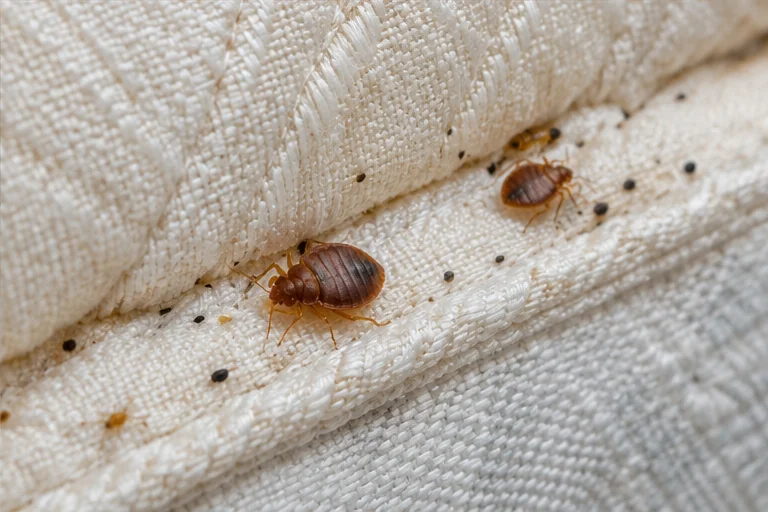
Bed bugs hide close to sleeping and resting areas, often along mattress seams, bed frames, headboards and furniture joints. Bites alone are not reliable proof of bed bugs; identifying physical evidence helps prevent unsuitable treatment.
Before treatment
What an assessment involves
We ask about sightings, travel, affected rooms and earlier treatments, then inspect practical hiding places. We explain preparation requirements before recommending treatment and discuss neighbouring rooms or multiple occupancies if relevant.
A measured response
How professional control is approached
Treatment may involve a site-specific combination of approved professional methods and follow-up inspections. Because insects can remain hidden and egg hatch may follow treatment, a staged programme and occupant cooperation may be necessary.
Spot the evidence
Signs to look for
These signs can indicate a problem, but not every sign is conclusive. A proper identification helps determine the next step.
- Live, flat, reddish-brown insects or pale juvenile bed bugs.
- Dark spotting on mattress seams or adjacent joints.
- Cast skins, eggs or small blood marks on bedding.
- Repeated unexplained sightings around sleeping areas.
Reduce recurrence
Practical prevention
- Avoid moving potentially infested furniture through unaffected rooms.
- Follow preparation and laundering instructions provided for the chosen treatment.
- Inspect second-hand beds or upholstered furniture before bringing them inside.
- Keep a record of live sightings rather than relying on skin reactions alone.
Common questions
Bed Bug Treatment FAQs
Can bites confirm bed bugs?
No. Many causes produce similar skin reactions. Finding or identifying insects is much more reliable.
Can one room be treated?
The inspection determines the likely extent. Adjacent areas may need checking even if activity seems localised.
Should I throw the mattress away?
Not automatically. Ask for an assessment before disposing of furniture or spreading items through the property.
Need an assessment?
Tell us what you have noticed.
Describe the activity and location so we can advise on the next practical step.